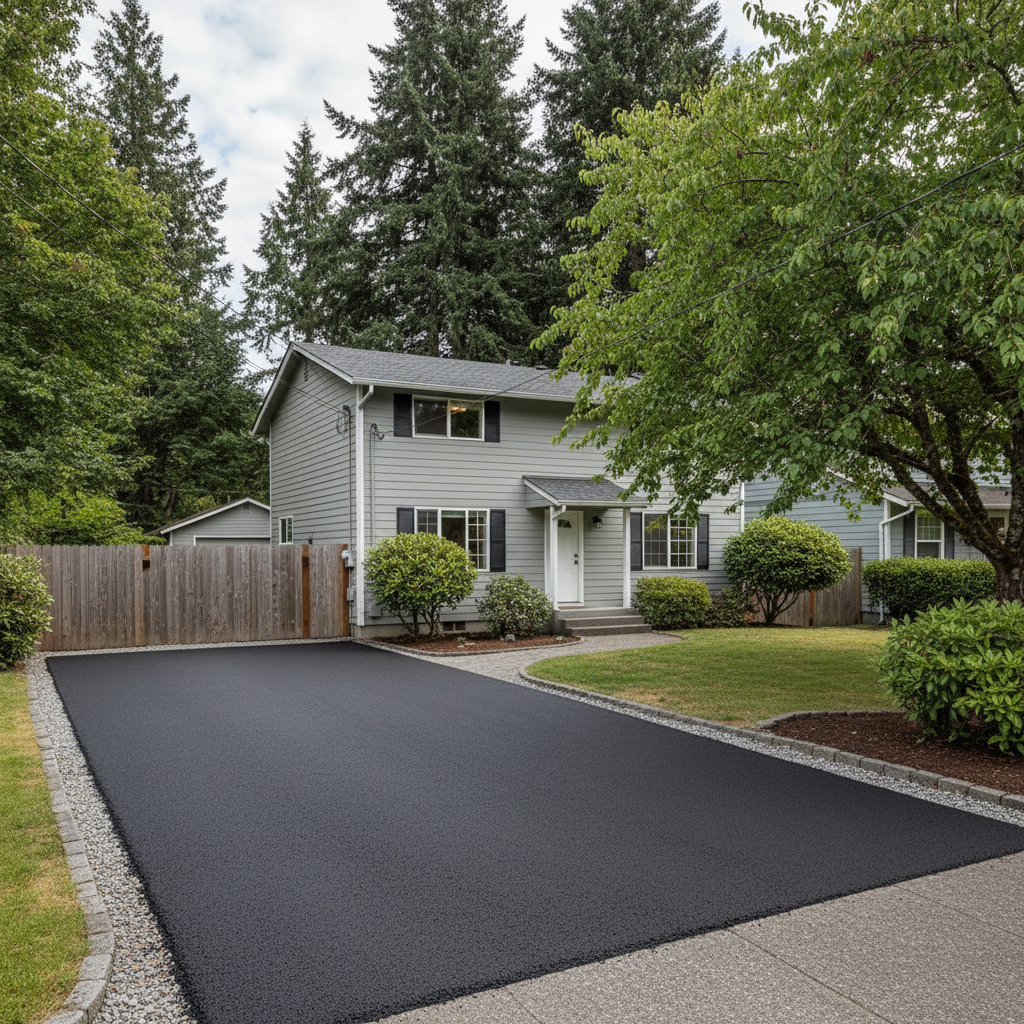
Alright, let's talk brass tacks about asphalt paving costs right here in Portland. You're probably wondering what you're *really* going to pay for a new driveway, a parking lot, or maybe a private road. It's not always as simple as a price per square foot, you know? And honestly, anyone who tells you it is probably isn't giving you the full picture. I've been doing this a long time, seen all sorts of bids come through. Here's what you need to know to make sure you're getting a good deal, not just a cheap one.
What Actually Drives Asphalt Paving Prices?
A lot of folks assume it's just about the asphalt itself. Nope. That's a big part, sure, but several other factors can swing the price considerably. Understanding these things helps you understand your quote better.
- Project Size and Scope: This one's a no-brainer, right? A bigger area means more material, more labor, and more time for our equipment. But it's not always a straight line. Sometimes, a larger commercial lot might actually get a slightly better per-square-foot rate than a tiny residential patch because of economies of scale. We're talking about anything from a 500 sq ft driveway to a massive 50,000 sq ft parking lot.
- Existing Conditions & Site Prep: This is often the biggest wild card. Is it a brand-new construction site with clear, level ground? Or are we tearing out an old, cracked concrete slab, dealing with stubborn tree roots, or needing some serious grading to make sure water drains properly? If we have to remove old material, haul it away, and then bring in new aggregate for a solid sub-base, that really adds to the cost. Especially with Portland's clay soils, proper excavation and a good rock base are absolutely critical to prevent future cracking and heaving.
- Asphalt Thickness and Type: Standard residential driveways usually get 2-3 inches of compacted asphalt over a solid base. Commercial parking lots, or areas with heavy vehicle traffic, might need 3-4 inches or even more, sometimes in multiple layers. Thicker asphalt means more material and more passes with those heavy rollers. Plus, there are different asphalt mixes for different purposes, which can affect the price.
- Accessibility: Can our big paving equipment easily get in and out? Or is it a tight, sloped driveway in a dense neighborhood like the West Hills, requiring smaller equipment and more manual labor? Tricky access adds time and complexity, and that adds to the bill.
- Drainage Requirements: Proper drainage is non-negotiable. If your site needs extensive grading, catch basins, or trench drains installed to direct water away from structures and prevent pooling, that's an additional cost. Seriously, don't skimp here; poor drainage will ruin your asphalt fast.
Typical Cost Ranges You Might See
Okay, you want numbers. I get it. Just keep in mind these are ranges, and your specific project will fall somewhere within them based on all those factors we just talked about. These numbers are for a complete job, including site prep, aggregate base, and the asphalt paving itself.
- Residential Driveways (New Installation): For a typical 500-1,000 square foot driveway, you're generally looking at $5.00 to $9.00 per square foot. So, a 750 sq ft driveway could run you anywhere from $3,750 to $6,750. This assumes moderate site prep. If we're tearing out old concrete and dealing with significant grading, it could push towards the higher end or even a bit more.
- Commercial Parking Lots (New Installation): For larger areas, say 5,000 to 20,000 square feet, the per-square-foot cost tends to drop a bit because of the scale. You might see prices in the range of $4.00 to $7.00 per square foot. A 10,000 sq ft lot could be $40,000 to $70,000. Again, existing conditions are a huge factor here.
- Asphalt Overlay (Resurfacing): If your existing asphalt is in decent shape but just needs a fresh top layer, an overlay is a more cost-effective option. This usually runs about $2.50 to $4.50 per square foot. This is for adding 1.5-2 inches of new asphalt over the old stuff.
Remember, these are rough estimates for 2024. Material costs, fuel, and labor can fluctuate, after all.
What Should Be Included in Your Quote?
When you get a quote from a reputable company like Peak Asphalt Solutions, it shouldn't just be a single number. It needs to be detailed. Here's what you should expect to see:
- Detailed Scope of Work: Exactly what's being done. Is it tear-out and replace? An overlay? How much excavation? How much aggregate base?
- Material Specifications: What type of asphalt mix? What thickness?
- Site Preparation: Specifics on grading, compaction, and any necessary drainage work.
- Mobilization Costs: Getting all that heavy equipment to your site.
- Labor Costs: The crew's time.
- Hauling and Disposal: If old material is being removed.
- Permits: Who is responsible for getting them (usually the contractor, but it should be crystal clear).
- Warranty Information: What kind of guarantee do they offer on their work?
- Timeline: An estimated start and completion date.
If a quote is just a single line item, walk away. You won't know what you're paying for or what corners might be cut.
How to Avoid Overpaying for Asphalt Paving
Nobody wants to get ripped off, especially not for a big investment like paving. Here's my advice:
- Get Multiple Bids: Don't just go with the first guy. Get at least three detailed quotes. This helps you compare apples to apples and understand the market rate for your specific project.
- Check References and Reviews: A good contractor will have a solid track record. Look at their past work, read online reviews, and ask for references.
- Ask Questions: If something in the quote isn't clear, just ask. A good contractor will be happy to explain everything.
- Don't Always Go for the Lowest Bid: The cheapest price often means corners are being cut. Maybe they're using less aggregate, thinner asphalt, or less experienced labor. That's a recipe for premature failure, and you'll end up paying more in repairs down the road. You want value, not just cheap.
- Verify Insurance and Licensing: Make sure the contractor is properly licensed and insured. This protects you if something goes wrong on your property.
- Understand the Payment Schedule: Reputable contractors typically ask for a deposit upfront, but they shouldn't demand full payment before the job is even started or substantially complete.
Paving is a big investment, but a well-done asphalt surface will last you decades. Do your homework, ask the right questions, and choose a contractor who prioritizes quality and transparency. That's how you get a fair price and a job that lasts.