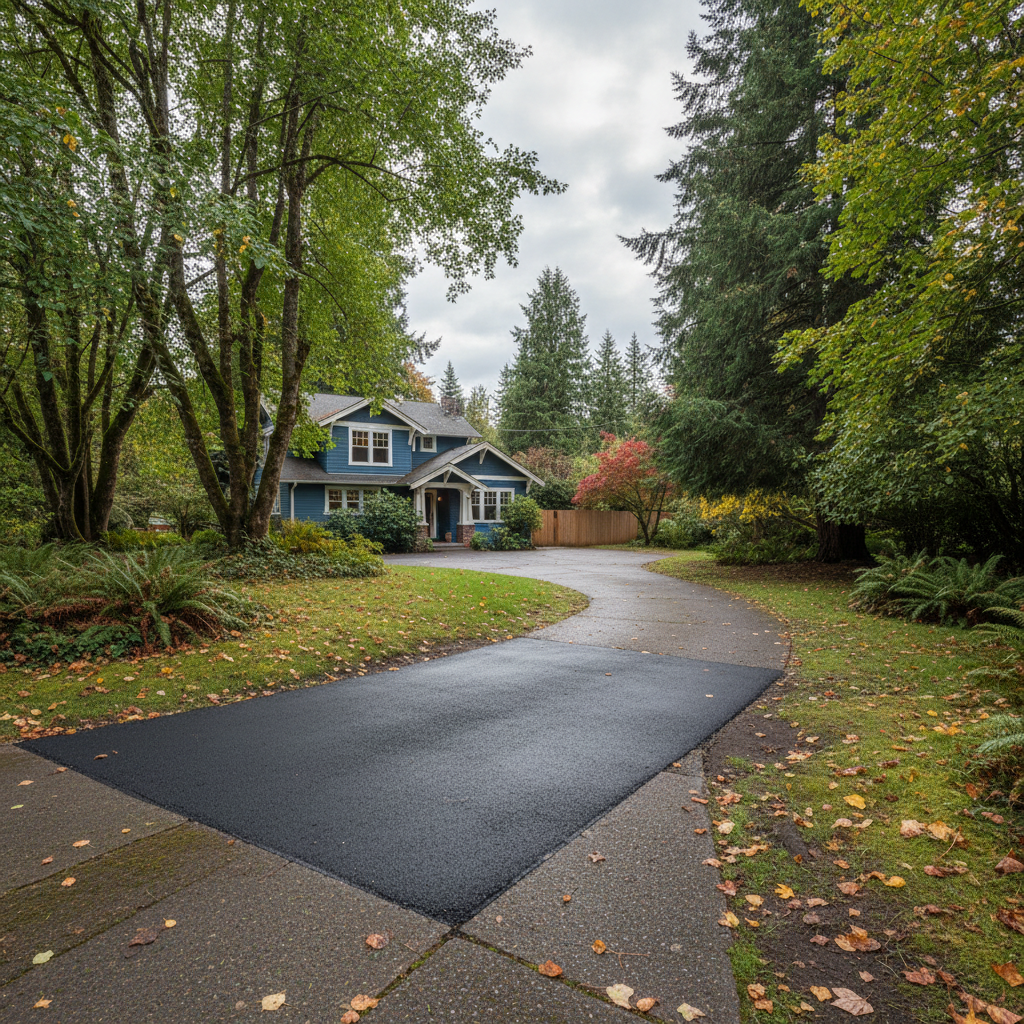
You've got a pothole. Or maybe a spiderweb of cracks is spreading across your driveway. It's not just an eyesore, you know; it's a trip hazard, and if you leave it alone, it's only going to get a lot worse. So, you realize you need to get it patched. But when's the best time to do that here in Portland? And what does our notoriously damp climate mean for the actual work?
Timing Your Asphalt Patching in Portland
Here in the Pacific Northwest, our weather pretty much calls the shots for everything, especially when it comes to asphalt. You can't just slap a patch down whenever you feel like it and expect it to last. The biggest factors? Temperature and moisture, hands down.
Generally, the sweet spot for asphalt patching is when it's dry and the air temperature stays consistently above 50 degrees Fahrenheit. For us, that usually means late spring, summer, and early fall. Why then?
- Proper Curing: Asphalt needs to cure right. If it's too cold, the material just won't compact correctly, and it won't bond well with the existing pavement. You'll end up with a weak spot that fails way too quickly.
- Moisture is the Enemy: Trying to patch a wet surface is a recipe for disaster, plain and simple. Water trapped underneath or inside the patch will expand and contract as temperatures change, leading to early failure. And let's be honest, we get a lot of rain here, especially from October through April.
- Better Adhesion: Warm, dry conditions let the asphalt stick to the existing surface just right. This creates a stronger, more durable repair that actually becomes part of your driveway, not just something sitting on top.
So, if you spot a problem in December, don't panic. Give us a call, get on the schedule, and we'll plan to tackle it when the weather breaks. It's always better to wait for the right conditions than to rush a repair that won't hold up, right?
What Our Portland Weather Means for the Work
Our long, wet winters and sometimes scorching summers really put asphalt through its paces. That's why proper patching is so incredibly important. When we come out to patch, we're not just filling a hole. We're actually assessing the damage, cleaning out debris, and making sure the base underneath is stable. If that base isn't solid, your patch won't last, no matter how good the asphalt mix is.
We often see issues made worse by our clay-rich soils, especially in areas like the West Hills. When water gets into cracks and saturates the sub-base, that clay can expand and contract, leading to more movement and bigger problems down the line. That's why sealing those cracks early is such a smart move.
During the dry season, we're usually pretty busy with patching jobs. We'll make sure the area is completely dry — sometimes even using blowers to ensure every bit of moisture is gone. Then we'll cut out the damaged section, clean it thoroughly, apply a tack coat for adhesion, lay down the new asphalt, and compact it properly. It's a precise process, one that really needs the right conditions to succeed.
Protecting Your Investment Year-Round
Once you've got a fresh patch, or even if your driveway is in good shape, you want to keep it that way. Here's how:
- Crack Sealing: This is your first line of defense. As soon as you see a crack, get it sealed. This stops water from getting underneath your asphalt and eroding the base. Think of it like putting a band-aid on a cut before it gets infected.
- Sealcoating: A good sealcoat every 2-3 years protects your asphalt from UV rays, water penetration, and oil spills. It's like sunscreen for your driveway. It keeps the asphalt flexible and prevents it from drying out and becoming brittle.
- Proper Drainage: Make sure water isn't pooling on your driveway. If you've got standing water, it's going to find its way into cracks and cause damage. Sometimes a simple fix to a downspout or a small trench can make a huge difference.
- Avoid Heavy Loads: Try not to park heavy RVs or construction equipment on your residential driveway for extended periods. Asphalt is designed for regular vehicle traffic, but excessive weight in one spot can cause depressions and cracks over time.
- Clean Spills Promptly: Oil, gas, and other chemicals can break down asphalt. Clean them up as soon as they happen.
Taking these steps, especially keeping an eye on cracks and getting them sealed, will save you a lot of money and headaches down the road. We've seen countless driveways in Portland that could have avoided major repairs with just a little proactive maintenance. If you're not sure what your driveway needs, or if you're ready to get those patches done right, give us a call at Peak Asphalt Solutions. We're here to help you keep your asphalt in top shape.