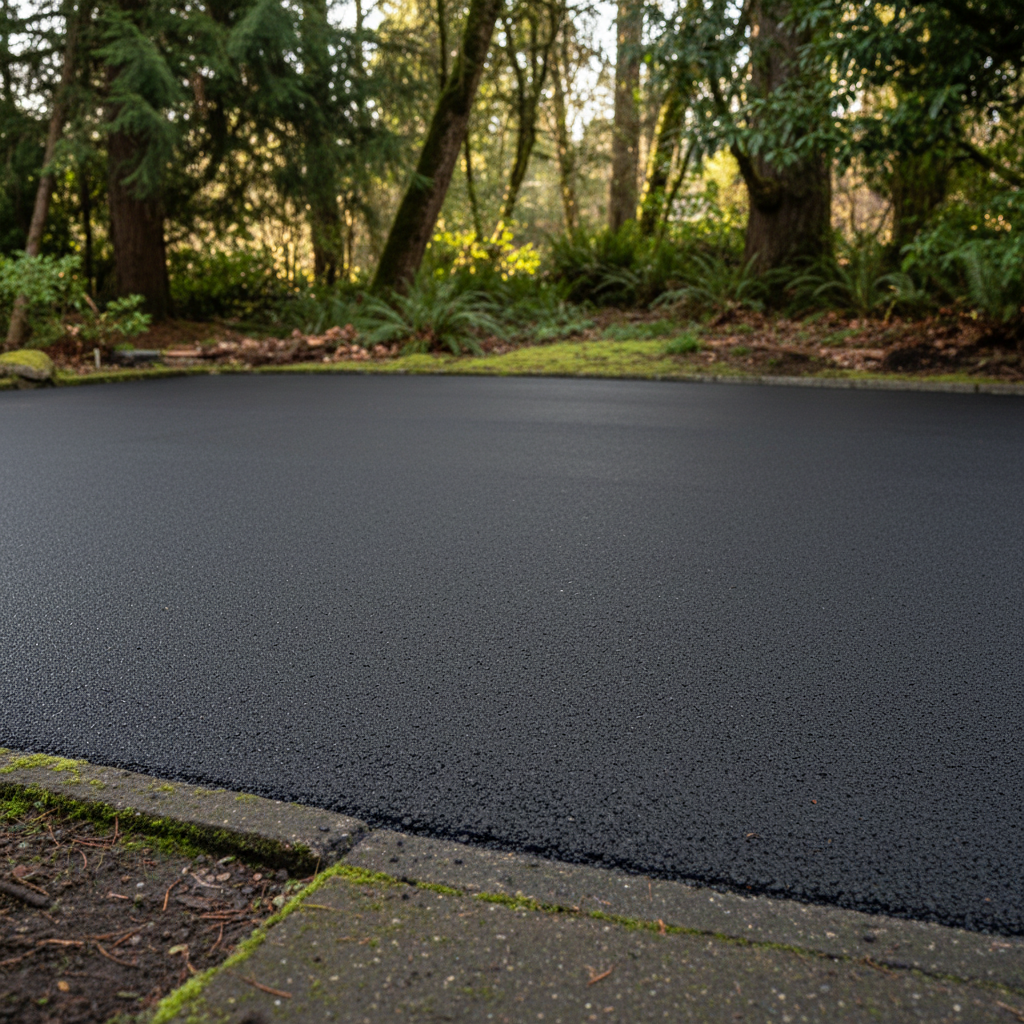
Alright, let's talk driveways. I've been paving them around Portland for years, and I hear the same questions pop up again and again. Folks want to know what's what, and they deserve straight answers, not some sales pitch. So, I've put together a list of the most common things people ask me about driveway paving. Consider this your no-nonsense guide from someone who's actually out there doing the work.
What's the best time of year to pave a new driveway in Portland?
This is a big one, especially with our weather. Honestly, the best time to pave an asphalt driveway here in Portland is typically late spring, summer, or early fall. We're talking June through September, maybe early October if we get a dry spell. Why then? Because asphalt needs warm, dry conditions to cure properly. The ground needs to be dry, and the air temperature shouldn't be too cold. If it's too wet or too cold, the asphalt won't compact right. It won't bond as it should, and you'll end up with a weaker, less durable driveway. Trying to pave in the middle of our rainy season? That's just asking for trouble down the line. You'll see cracks and premature deterioration faster than you'd like. We always keep an eye on the forecast, and sometimes we have to reschedule if a big rain system rolls in unexpectedly. It's all about doing it right the first time, you know?
How long does a new asphalt driveway typically last here?
A well-installed asphalt driveway in Portland, with proper maintenance, can last you anywhere from 15 to 25 years. I've seen some go longer, but that's a good general range. 'Well-installed' means a solid base, proper drainage, and good quality asphalt laid down correctly. 'Proper maintenance' is key too – we're talking about regular sealcoating and addressing any small cracks or potholes as they appear. Neglect it, and you'll be looking at repairs or replacement much sooner. Think of it like your car; you wouldn't expect it to last without oil changes, right? Same deal with your driveway.
Do I need a permit to pave or repave my driveway?
Usually, no, not for a standard residential driveway within your existing footprint. If you're just repaving or replacing an existing driveway with the same material and not changing its size or location, you likely won't need a permit from the City of Portland. However, if you're expanding your driveway, changing its location, or significantly altering the drainage on your property, then yes, you absolutely might need one. Especially if you're getting close to any public right-of-way or impacting stormwater runoff. It's always best to check with the Bureau of Development Services if you're unsure, or just ask us. We can usually tell you if your project falls into a category that requires a permit.
What's the deal with drainage? How do you make sure water doesn't pool?
Drainage is critical, especially in a place like Portland where we get so much rain. If water sits on your driveway, it's going to cause problems – cracking, potholes, and a shorter lifespan for your pavement. When we're designing and installing a driveway, we're always thinking about how to get water off it efficiently. This usually involves grading the driveway with a slight slope, either towards the street, a drainage ditch, or a specific catch basin. Sometimes, we'll install trench drains or catch basins in certain spots to collect water and direct it away. It's not just about making it look good; it's about making sure water doesn't undermine the base or freeze and expand in cracks during winter, which can really tear up a driveway. We'll assess your specific property's needs and make sure the plan accounts for proper water management.
How soon can I drive on my new asphalt driveway?
I get this question all the time, and it's an important one. You'll want to stay off it for at least 24 to 48 hours after it's been laid. The asphalt needs time to cool and harden. While it might look solid, it's still curing and very susceptible to damage from heavy vehicles, sharp turns, or even just sitting parked for too long. After those first couple of days, you can usually drive on it lightly, but I'd recommend avoiding heavy trucks or making sharp turns with power steering for about a week. The asphalt will continue to harden for several months, especially in the first few weeks. Be gentle, and you'll help ensure its longevity.
What kind of maintenance does an asphalt driveway need?
To get the most out of your investment, you've got to maintain it. The biggest thing is sealcoating. I recommend sealcoating your new driveway within the first year, and then every 2-3 years after that. Sealcoating protects the asphalt from UV rays, water penetration, and chemicals like oil and gas. It keeps it looking good and extends its life. Beyond that, keep it clean – sweep off leaves and debris regularly. Address any cracks or potholes as soon as you see them. Small cracks can be filled relatively easily, but if you let them go, water gets in, freezes, expands, and turns a small problem into a big one. It's like going to the dentist; preventative care saves you a lot of pain and money down the road. Here at Peak Asphalt Solutions, we offer maintenance plans to help you stay on top of it.
Can I pave over my existing concrete driveway with asphalt?
It's possible, but it's not always the best solution, and it depends entirely on the condition of your existing concrete. If the concrete is in good shape – minimal cracking, no significant heaving, and a solid base – then yes, you can sometimes pave asphalt directly over it. This can save you some money on demolition. However, if the concrete is badly cracked, crumbling, or has structural issues, those problems will eventually reflect through the new asphalt layer. We call that 'reflection cracking.' In those cases, it's usually better to remove the old concrete entirely and start fresh with a new asphalt base. We'd need to come out and take a look at your specific situation to give you an honest assessment. We don't just pave; we make sure it's the right solution for your property.