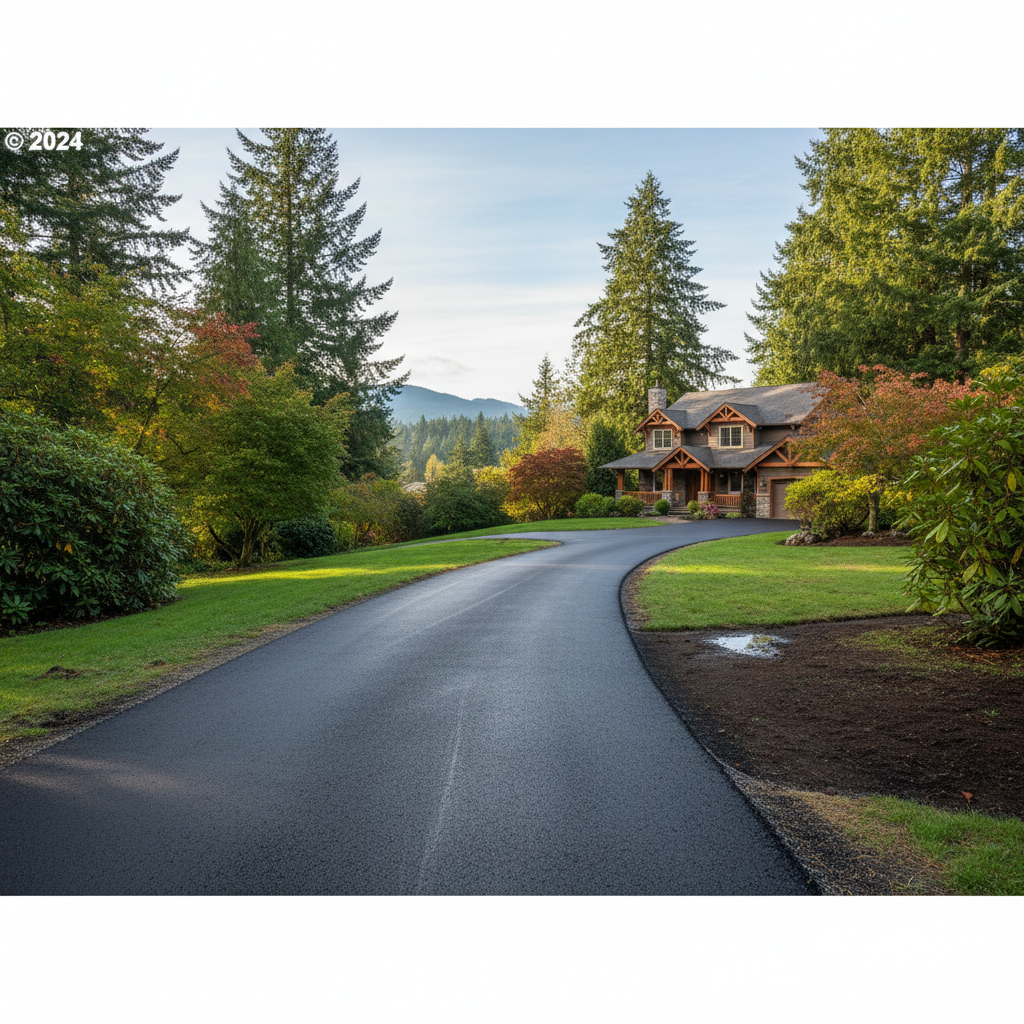
You've probably noticed Portland's weather isn't exactly predictable. One day it's sunny and 70, the next it's a downpour. This isn't just annoying for planning a picnic; it's a big deal when you're thinking about asphalt paving or repairs for your home, wouldn't you say?
When's the Best Time for Asphalt Work in Portland?
Look, I've been doing this for years, and I can tell you straight up: timing is everything with asphalt. You can't just lay down hot asphalt in the middle of a January rainstorm. It just won't cure right, and you'll end up with a driveway that won't last.
Generally, the sweet spot for asphalt paving in Portland is late spring through early fall. Think May, June, July, August, September. Why then?
- Warm, Dry Days: Asphalt needs consistent warmth to cure properly. When the temperatures are reliably above 50°F, and ideally closer to 70°F or 80°F, the asphalt mixture stays pliable longer. This allows for better compaction and a smoother, more durable finish.
- Low Humidity: While a little moisture in the air isn't a deal-breaker, prolonged high humidity or, worse, rain, can cool the asphalt too quickly. That messes with its ability to bond. We're looking for those stretches where the ground isn't saturated.
- Stable Weather Patterns: We want a few days of good weather leading up to the job, and ideally, a few days after. This helps the ground dry out and gives the fresh asphalt time to settle and harden without getting shocked by a sudden cold snap or deluge.
Trying to push a paving job into late October or November here in Portland is just asking for trouble. The ground's already getting cold, and we start seeing those persistent, drizzly rains that just don't let up. It makes the work harder, and honestly, the quality suffers. We'd rather wait for the right conditions to give you a driveway that'll stand the test of time.
How Portland's Climate Affects Your Pavement Year-Round
It's not just about when you pave; it's about what happens to your asphalt once it's down. Our climate, with its wet winters and sometimes surprisingly hot summers, puts asphalt through a lot.
- Winter Freeze-Thaw Cycles: This is a big one. Water seeps into tiny cracks, freezes, expands, and then thaws. This constant expansion and contraction is a major cause of potholes and larger cracks. It's why proper drainage is so crucial, especially in areas like the West Hills where you might have steeper grades.
- Summer Sun: Believe it or not, our summer sun can be intense enough to cause oxidation. This makes the asphalt brittle and can lead to surface cracking. It's not as extreme as in, say, Arizona, but it's still a factor.
- Constant Moisture: We get a lot of rain. That means water is constantly trying to find its way into any weak spots in your pavement. If your sub-base isn't properly prepared or your asphalt isn't sealed, that water will wreak havoc.
Protecting Your Investment: What You Can Do
Once you've got a beautiful, new asphalt driveway from Peak Asphalt Solutions, you want it to last, right? Here's how you can protect that investment, especially with our local weather:
- Sealcoating: This is your first line of defense. A good sealcoat every 2-3 years (depending on traffic and sun exposure) acts like sunscreen and a raincoat for your asphalt. It protects against UV rays, water penetration, and even helps resist oil and gas spills. It also gives your driveway a fresh, black look.
- Mind Your Drainage: Make sure water isn't pooling on your driveway. If you see puddles forming, especially after a good rain, that's a sign of a potential problem. Proper grading and drainage channels are key to diverting water away from your asphalt.
- Address Cracks Early: Don't let small cracks become big problems. If you see a crack forming, get it filled quickly. Crack filling prevents water from getting underneath your asphalt and causing those dreaded freeze-thaw issues. It's a small repair now that saves you a huge headache and expense later.
- Keep it Clean: Sweep off leaves, dirt, and debris regularly. This prevents organic matter from breaking down on your surface and holding moisture.
- Avoid Heavy Loads: Try not to park heavy RVs or equipment on your driveway for extended periods, especially during hot weather when the asphalt is softer.
Taking a little time for maintenance goes a long way in extending the life of your asphalt. It's not just about getting it paved right; it's about treating it right afterward, especially with all the weather Portland throws at us.
Ready to Talk Paving?
If you're thinking about a new driveway or need some repairs, give us a call. We're happy to come out, take a look, and give you an honest assessment of what needs to be done and when's the best time to do it. We know Portland asphalt, and we're here to help you get the most out of your home's pavement.